
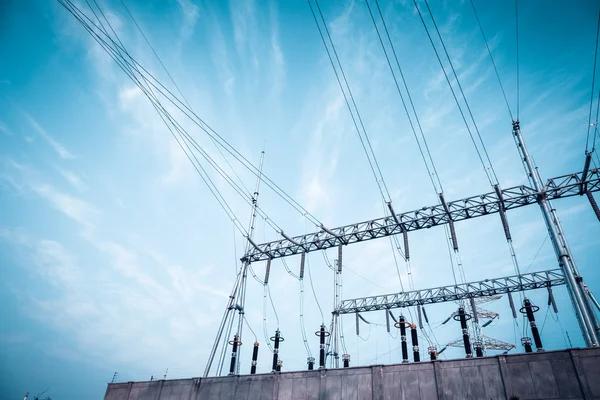
What Is a Transformer Blast Wall and Why Is It Essential for Power Plant Safety
A transformer blast wall is a critical safety feature in power plants and electrical substations, designed to protect both personnel and equipment from the potentially catastrophic effects of transformer failures. Transformers, which are essential components in the distribution of electricity, can occasionally experience faults leading to explosions or fires. These incidents can be caused by various factors such as insulation failure, lightning strikes, short circuits, or even mechanical issues within the transformer. The consequences of such events can be severe, resulting in damage to infrastructure, disruption of power supply, and significant safety hazards.
The primary function of a transformer blast wall is click to discover act as a barrier that contains the energy released during an explosion or fire associated with a transformer fault. By doing so, it prevents the spread of flames and debris to adjacent transformers or other critical components within a facility. This containment is vital for minimizing damage and ensuring that any incident remains localized rather than escalating into a more extensive disaster.
Constructed from robust materials such as reinforced concrete or steel-reinforced structures capable of withstanding high temperatures and pressure waves generated by explosions, these walls are strategically placed between transformers. Their design takes into account factors like proximity to other equipment and potential impact zones based on worst-case scenarios analyzed through risk assessments.
In addition to protecting physical assets within power plants or substations, transformer blast walls play an indispensable role in safeguarding human lives. Personnel working near transformers could be at risk if adequate protective measures aren’t implemented; hence these walls serve as crucial barriers against direct exposure to explosive forces or radiant heat emitted during incidents.
Furthermore, regulatory standards often mandate incorporating protective structures like blast walls into facility designs due not only because they enhance operational resilience but also comply with occupational health regulations aimed at reducing risks associated with high-voltage environments where large-scale equipment operates continuously under heavy loads.
The installation process involves careful planning alongside engineers specializing in structural integrity analysis who ensure proper placement relative not just concerning existing installations but future expansion possibilities too – thereby optimizing overall site layout efficiency without compromising on safety considerations whatsoever!
In conclusion: Transformer Blast Walls represent key investments toward maintaining secure operations across industries reliant upon uninterrupted electricity supplies worldwide today given ever-growing demands placed upon grids globally amidst ongoing technological advancements driving increased consumption levels year after year! As our reliance continues expanding exponentially over time ahead inevitably necessitating further innovations beyond current capabilities alone suffice meeting tomorrow’s challenges head-on effectively while simultaneously prioritizing worker welfare environmental sustainability alike throughout every step taken along this journey collectively together ultimately achieving shared goals sustainably responsibly equitably universally beneficially long-term success assuredly guaranteed always foremost mind guiding principles underpinning all decisions made therein consistently applied uniformly everywhere applicable unconditionally everywhere necessary absolutely imperative unquestionably paramount undeniably crucial inherently integral fundamentally foundational essentially vital intrinsically indispensable quintessentially irreplaceable unequivocally requisite conclusively essential indeed!