
A Complete Guide to HVAC System Installation, Testing, and Final Inspection
Installing an HVAC (Heating, Ventilation, and Air Conditioning) system is a critical project that requires careful planning, precise execution, and thorough testing to ensure optimal performance and energy efficiency. Whether for residential or commercial properties, a properly installed HVAC system enhances indoor comfort, maintains air quality, and reduces utility costs. This comprehensive guide covers everything from system installation to testing and final inspection, providing essential insights for homeowners, contractors, and facility managers.
The installation process begins with selecting the right HVAC system tailored to the building’s size, layout, and specific heating and cooling needs. Proper sizing is crucial to avoid overworking the system or inefficient energy consumption. Once the appropriate system is chosen, the installation team must prepare the site by assessing existing ductwork, electrical wiring, and ventilation paths. This stage often involves removing old equipment and making necessary structural adjustments to accommodate the new system components.
Next, the mechanical installation involves placing the indoor and outdoor units, connecting refrigerant lines, electrical wiring, and ensuring the ductwork is sealed and insulated. Attention to detail during this phase is vital to prevent leaks, electrical hazards, and mechanical failures. Technicians must follow manufacturer guidelines and local building codes to maintain safety standards and warranty coverage.
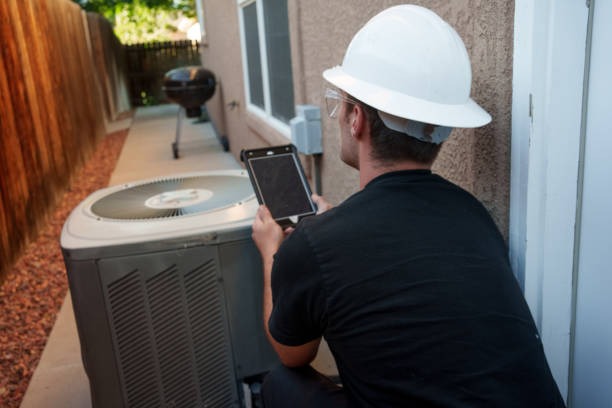
After installation, testing the HVAC system is essential to verify functionality and efficiency. Initial tests include checking refrigerant levels, airflow rates, thermostat calibration, and electrical connections. Performance view more tests also assess heating and cooling capacities under various conditions. Proper testing helps identify potential issues such as refrigerant leaks, airflow blockages, or electrical inconsistencies that could compromise system reliability.
Final inspection is the concluding step in the HVAC installation process. This comprehensive review ensures compliance with all local codes, manufacturer specifications, and safety regulations. Inspectors examine the entire system—from ductwork and wiring to control mechanisms and condensate drainage. They also verify that the installation documentation, including permits and warranty information, is complete and accurate.
A successful HVAC system installation, combined with thorough testing and final inspection, guarantees long-lasting performance and energy savings. It also provides peace of mind to property owners by ensuring that their investment meets health, safety, and efficiency standards. For anyone considering an HVAC upgrade or new installation, partnering with certified professionals and following best practices outlined in this guide is essential for achieving optimal results.